The average parent was shocked when the U.S. Department of Agriculture announced the average cost of raising a child to the age of 18 is $240,000. To those of us who are raising a special needs child, however, that might sound like a bargain.
- Here are some of the birth to 18 expenses special needs families are looking at:
- Children with hearing loss can cost as much as $383,000 to raise.
- Kids with vision loss can cost $601,000 to raise
- Children with cerebral palsy may cost up to $921,000 to raise
- Kids with autism can cost $1.4 - $2.4 million to raise
In 2018 the average annual income for a family of four was $25,465. At that rate, I’d have to work approximately 47 years to raise my autistic son to the age of 18, and that’s only if I didn’t pay for anything else. A lot of families are in the same boat. Luckily, we have other options.
In this article, I’m going to explore some of those options with you so you can see if any apply to your family. When you’re looking at this many bills, anything helps.
File a Lawsuit
Filing a lawsuit is only an option if your child’s condition was caused by a medical mistake that could have been prevented, such as a brain injury that caused cerebral palsy (CP) or another debilitating condition.
According to Minnesota Cerebral Palsy Lawyer, there are many different causes for the development of CP. If you believe your baby or child’s CP or other condition was caused by negligence, an attorney can help explain your rights and connect you with medical experts.
No one wants to be involved in a lawsuit, especially not when you are focused on caring for your child. However, you also shouldn’t be left scrambling to cover the bills for someone else’s mistake. A settlement or award can make sure your child is able to access the help they need.
Apply for SSI Benefits
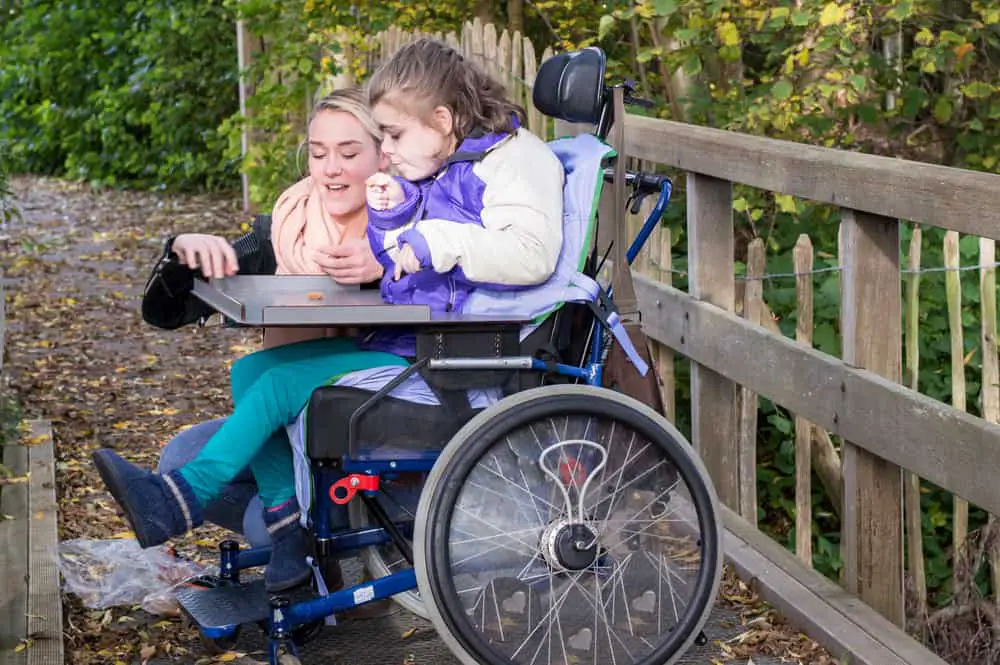
If your child is severely disabled and their condition was not the result of medical negligence, your best option may be to apply for Supplemental Social Income (SSI) benefits for your child. To be approved for these benefits, your child must have a qualifying condition. Your income will also have to qualify after the deeming process. The conditions that can make your child eligible include:
Those that result in physical or mental impairment, or both, that can be medically determined
Those that have resulted in a child being severely functionally limited
Those that are expected to last at least a year or result in the child’s death
To apply for SSI, you’ll need to fill out an application and another form that’s called a Child Disability Report. You can learn more about the documentation you’ll need to bring to your appointment on the Social Security Administration’s childhood SSI web page.
Apply to Be a Paid Family Caregiver
Most states have some form of assistance for family caregivers. These programs can be a real lifesaver if you’ve had to cut back on working or quit your job altogether to take care of your child. If you meet the program requirements in your state, you may be able to get paid by the hour to do what you’re doing all day anyway, which is the often backbreaking, grueling work involved in caring for a disabled individual.
Another kind of assistance family caregivers can take advantage of is respite care. You can find information about respite care programs on the government’s Child Welfare website. One of the best things about respite care is its flexibility. You may be able to get care in the event of a last-minute emergency, or you can plan ahead for dinner in a restaurant, a spa day, or even a weekend trip.
It’s worth taking the time to apply for any and all benefits that are available in your area. Receiving these benefits will help you, your child, and your whole family to enjoy your lives to the fullest.